Studying in the USA: Weighing the Opportunities and the Risks
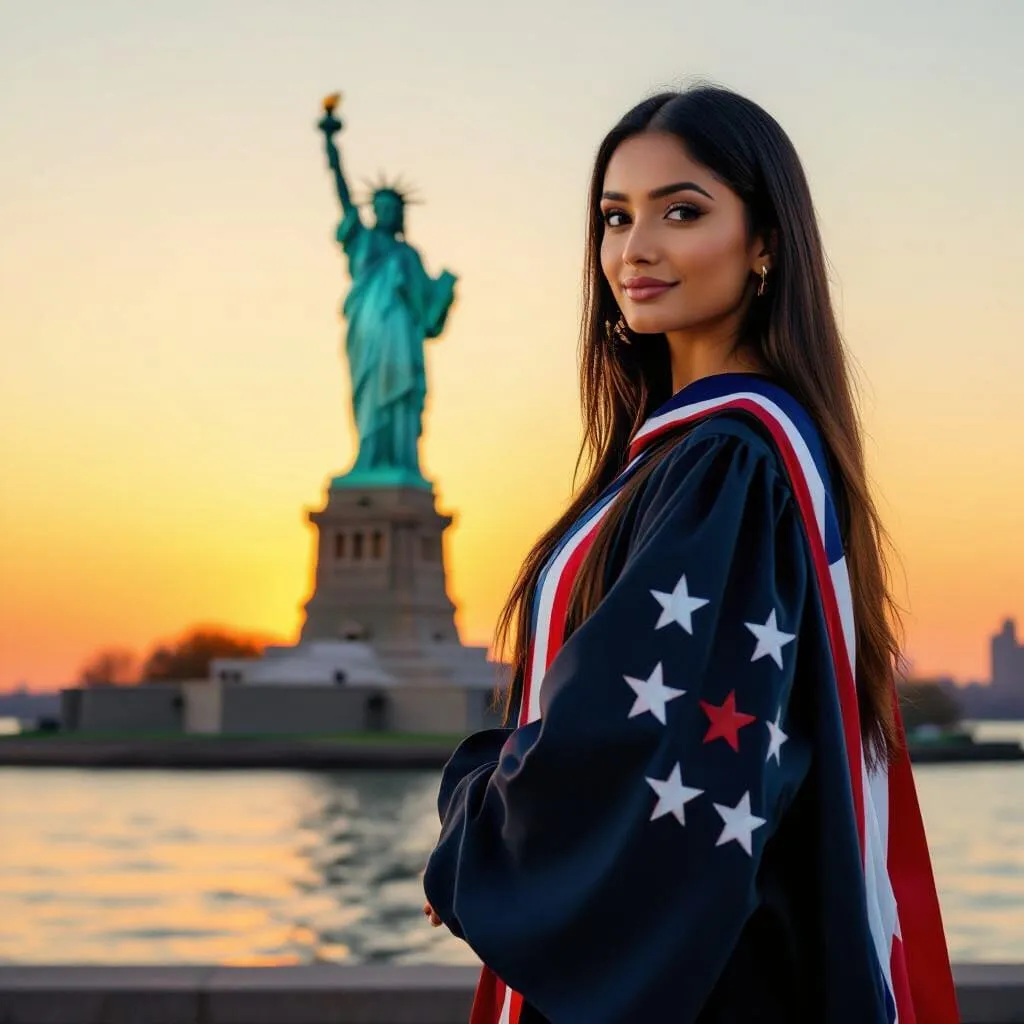
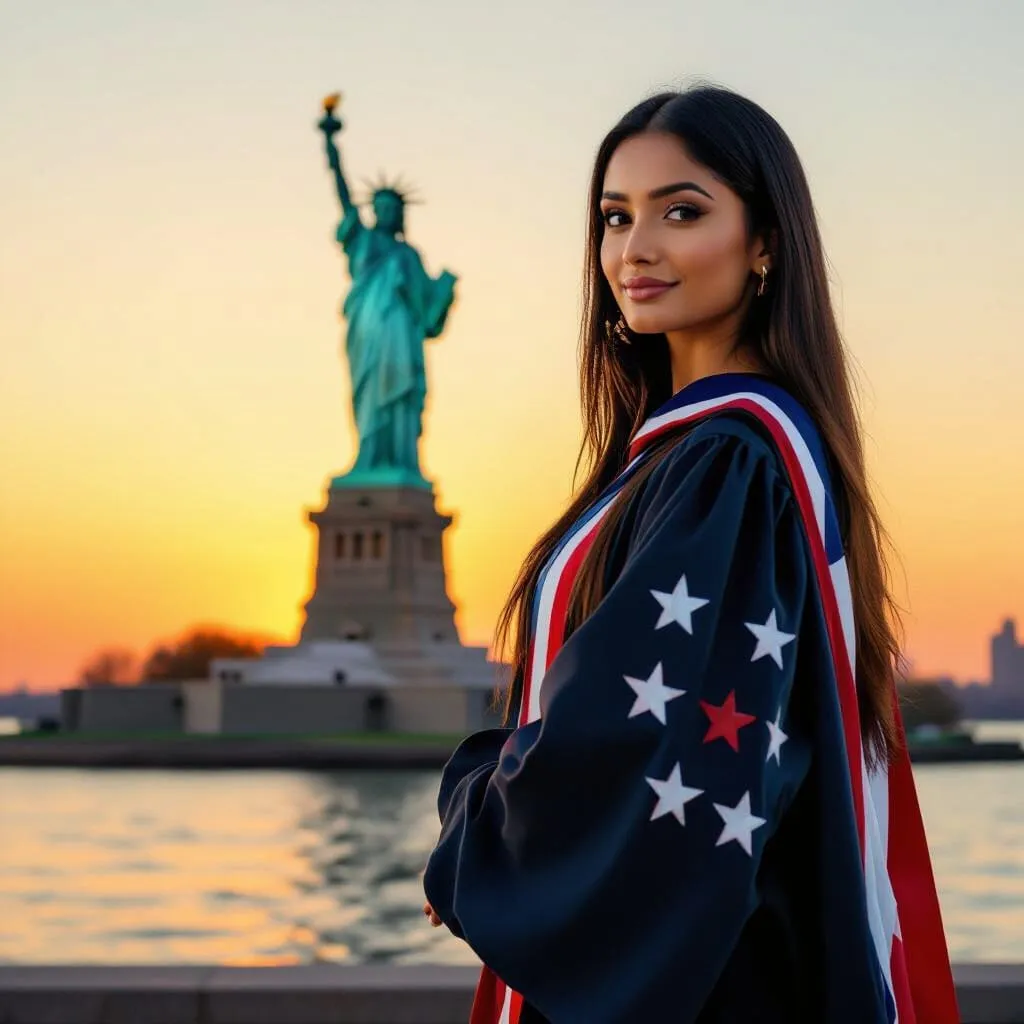
The United States has long been a beacon for international students seeking higher education.
With its world-renowned universities, cutting-edge research facilities, and vibrant cultural landscape, the USA attracts millions from around the globe each year.
Today, as the world continues to recover from global shifts in politics, economics, and health, studying in the US remains a dream for many.
However, recent developments, particularly under evolving immigration policies, have introduced new layers of complexity.
This article explores the compelling reasons to pursue studies in the US while also examining potential risks based on recent sources.
By balancing these perspectives, prospective students—especially from countries like India—can make informed decisions.
We'll delve into academic advantages, career prospects, and cultural benefits, contrasted with challenges like visa hurdles and safety concerns.
Whether you're eyeing an Ivy League institution or a state university, understanding both sides is crucial in today's dynamic environment.
Why Choose the USA for Higher Education?

The allure of studying in the United States lies in its unparalleled educational ecosystem.
Home to institutions like Harvard, MIT, Stanford, and countless others ranked among the world's best, the US offers a blend of theoretical knowledge and practical application that few countries can match.
This section highlights key reasons why, despite challenges, the US continues to be a top destination for ambitious learners.
Academic Excellence and Prestigious Institutions

One of the primary draws is the academic rigor and prestige associated with US degrees.
American universities emphasize critical thinking, innovation, and interdisciplinary studies, fostering skills that are highly valued globally.
For instance, programs in fields like computer science, engineering, and business often integrate real-world projects, internships, and collaborations with industry leaders.
According to global rankings such as QS World University Rankings, over 150 US institutions feature in the top 500 worldwide, far surpassing any other nation.
This excellence stems from substantial funding—public and private universities invest billions in faculty, facilities, and student support.
For Indian students, who form one of the largest international cohorts (over 200,000 annually), this means access to professors who are Nobel laureates, Pulitzer winners, and pioneers in their fields.
The flexibility in curriculum allows students to explore electives outside their major, promoting well-rounded development.
Moreover, the credit-based system enables transfers between institutions, offering adaptability not always available elsewhere.
Graduates often report enhanced analytical abilities and confidence, attributes that translate into lifelong advantages.
In a competitive job market, a US degree signals quality and resilience, opening doors to opportunities back home or internationally.
Diverse Academic Programs and Specializations

The US education system boasts an incredible variety of programs tailored to niche interests and emerging fields.
From traditional disciplines like medicine and law to cutting-edge areas such as artificial intelligence, biotechnology, and sustainable energy, there's something for every passion.
Community colleges provide affordable entry points with associate degrees that can ladder into bachelor's programs, making higher education accessible.
Graduate programs, including master's and PhDs, often include teaching or research assistantships that cover tuition and provide stipends.
This diversity extends to online and hybrid options, which have expanded post-pandemic, allowing flexibility for working professionals or those with family commitments.
For example, specialized tracks in data science or environmental policy incorporate hands-on labs, simulations, and fieldwork.
The emphasis on experiential learning—through co-ops, study abroad within the US, or capstone projects—prepares students for real challenges.
Indian students particularly benefit from STEM designations, which extend post-study work visas.
This programmatic richness ensures that education aligns with personal and professional goals, fostering innovation and entrepreneurship.
Universities like UC Berkeley or NYU exemplify this, offering interdisciplinary centers that blend arts, sciences, and humanities.
Cutting-Edge Research and Innovation Opportunities

The US leads the world in research and development, with universities at the forefront of breakthroughs in medicine, technology, and environmental science.
Federal funding through agencies like the NSF and NIH pours billions into campus labs, enabling students to contribute to groundbreaking work.
Undergraduates can join research teams, publish papers, and present at conferences—experiences rare in many home countries.
For graduate students, this is amplified; PhD candidates often receive full funding while tackling global issues like climate change or AI ethics.
Collaborations with tech giants like Google or pharmaceutical leaders like Pfizer provide real-world applications.
In 2026, with advancements in quantum computing and gene editing, US institutions remain hubs for innovation.
Indian students, known for their strong STEM backgrounds, thrive here, often securing patents or startups.
The entrepreneurial ecosystem, supported by incubators like those at Stanford, encourages turning ideas into ventures.
This not only enhances resumes but also builds networks that span industries.
The culture of questioning norms and pushing boundaries cultivates leaders who drive change, making US research a magnet for the intellectually curious.
Enhanced Career Prospects and Networking

A US education significantly boosts career trajectories through robust alumni networks, internships, and post-graduation work options.
Programs like Optional Practical Training (OPT) allow up to three years of work experience in STEM fields, bridging academia and industry.
Universities host career fairs with Fortune 500 companies, facilitating direct recruitment.
Graduates enter the workforce with skills in leadership, communication, and problem-solving, commanding higher salaries—often 20-30% more than peers without international exposure.
For Indians, returning home means leveraging US credentials for roles in multinationals or starting businesses with global insights.
The emphasis on soft skills, such as public speaking and teamwork, complements technical expertise.
In a globalized economy, US degrees provide a competitive edge, with alumni like Sundar Pichai (Google CEO) and Sathya Nadella (Microsoft CEO)exemplifying success.
Despite visa complexities, the long-term benefits in employability and earnings make it worthwhile for many.
Rich Cultural and Personal Growth Experiences

Beyond academics, studying in the US offers profound personal development through cultural immersion.
Campuses are melting pots, with students from over 200 countries fostering global perspectives.
Clubs, events, and festivals celebrate diversity, from Diwali parties to international food fairs.
This exposure builds empathy, adaptability, and cross-cultural communication—essential in today's interconnected world.
Living independently hones life skills like budgeting and time management.
Travel opportunities, from road trips to national parks, enrich experiences.
For Indian students, navigating differences in social norms strengthens resilience and broadens horizons.
Many form lifelong friendships and professional connections, creating a global support network.
This holistic growth transforms individuals, making them more open-minded and versatile.
Potential Risks of Studying in the USA

While the benefits are substantial, recent developments highlight risks that prospective students must consider.
Based on 2025-2026 sources, immigration policies, safety, and costs pose challenges.
These insights come from reports on declining enrollments and policy shifts under the Trump administration.
Visa and Immigration Challenges

Visa issues have intensified, with delays, denials, and revocations creating uncertainty.
In 2025, visa appointment backlogs persisted due to frozen interviews and expanded social media screenings.
New international student enrollments dropped 17% amid threats to OPT and SEVIS revocations.
Travel bans affecting multiple countries exacerbated this, with projections of 30-40% declines in new students.
Students fear visa revocations for minor infractions or political activity, fostering anxiety.
For Indians, long wait times (up to months) and denials (91% of affected institutions report) are common.
Post-study work options like H-1B visas face curbs, impacting long-term plans.
Prospective students should monitor State Department updates and prepare thorough applications, but the unpredictability remains a deterrent.
Safety and Social Concerns

Safety perceptions have worsened due to gun violence, racism, and an unwelcoming climate.
While campuses are generally secure, incidents like mass shootings raise alarms. International students report discrimination, amplified by political rhetoric.
Surveys show fears of deportation or bias, with 67% citing feeling unwelcome.
The social/political environment contributes to enrollment drops, as students worry about free expression.
For women and minorities, including Indians, navigating cultural differences can be stressful.
Resources like campus security and international offices help, but recent policies create a "climate of fear."
Choosing safer states or urban areas with strong support systems is advisable.
Financial Burdens and Economic Uncertainty

The cost of US education is prohibitive, with tuition averaging $30,000-$60,000 annually, plus living expenses.
For internationals, limited scholarships heighten this.
Economic hits from enrollment declines underscore broader instability, but for students, debt is a risk.
Currency fluctuations and job market shifts post-graduation add pressure.
While OPT offers earnings, restrictions threaten this. Budgeting and seeking aid are essential, but the high upfront investment demands careful consideration.
Political Instability and Policy Shifts

The Trump administration's policies have created volatility, with caps on students and advocacy for fewer admissions.
Actions like revoking visas for Harvard or implementing bans signal unpredictability.
This discourages applications, with a 15% overall drop projected.
Students from banned countries face outright barriers, and broader sentiment affects all.
Monitoring elections and policies is key, as changes could ease or worsen conditions.
Conclusion: Making an Informed Choice
Studying in the US offers transformative opportunities but comes with notable risks today.
Weigh your goals against current realities—consult advisors, research institutions, and stay updated.
For many, the rewards outweigh the challenges, leading to fulfilling careers and growth.

Frequently Asked Questions (FAQs)
- Why are US universities ranked highly globally? US institutions dominate rankings due to substantial research funding, world-class faculty, and a strong emphasis on innovation. This attracts top talent and produces groundbreaking advancements, making a US degree highly respected worldwide.
- What fields are popular for international students in the US? STEM programs like computer science, engineering, and business are most popular, with over 57% of international students pursuing them. These fields offer excellent career prospects and extended post-study work options through OPT.
- How flexible is the US education system? The system allows students to choose electives across disciplines, change majors easily, and transfer credits between institutions. This promotes interdisciplinary learning and helps students tailor their education to evolving interests and career goals.
- What is Optional Practical Training (OPT)? OPT permits F-1 students to work up to 12 months post-graduation in a field related to their major. STEM graduates can extend it by 24 months, providing valuable U.S. work experience and a pathway to longer-term opportunities.
- How diverse are US campuses? Campuses welcome students from over 200 countries, creating a vibrant multicultural environment. This diversity fosters global networking, cultural exchange, and preparation for international careers in an interconnected world.
- What career benefits come from a US degree? Graduates gain access to strong alumni networks, internships with top companies, and skills highly valued globally. US degrees often lead to higher salaries and better job prospects, both in the U.S. and internationally.
- How many international students studied in the US in 2024/25? Approximately 1.18 million international students enrolled, marking a 5% increase and a record high. This reflects the U.S.'s enduring appeal despite recent challenges, contributing significantly to campus diversity and the economy.
- How many Indian students are in the US? Around 363,000 Indian students were enrolled in 2024/25, making India the top sending country with a 10% growth. Indians excel particularly in graduate STEM programs, driving innovation in U.S. higher education.
- What caused the decline in new enrollments for fall 2025? Visa delays, processing pauses, stricter vetting, and policy uncertainties led to a 17% drop in new enrollments. Many institutions offered deferrals to help students navigate these barriers and retain talent.
- Are there travel bans affecting student visas in 2026? Yes, expanded bans effective January 1, 2026, suspend F-1/J-1 visa issuance for nationals of about 39 countries. Existing valid visas remain usable, but new applications from affected countries face significant restrictions.
- What is the average tuition cost for international students? Public universities average $30,000–$50,000 annually; private ones often exceed $50,000–$60,000. Costs vary by program and location, with STEM fields sometimes higher due to lab fees and resources.
- How expensive is living in the US for students? Expect $12,000–$25,000 per year for housing, food, transport, and personal expenses, depending on city. Coastal urban areas like New York or California are pricier than Midwest or Southern campuses.
- Are scholarships available for international students? Yes, though limited compared to domestic aid; many are merit-based from universities or private organizations. Research department-specific funding, assistantships, or external scholarships early to reduce financial burden.
- Is the US safe for international students? Campuses prioritize safety with dedicated security and support services, generally making them secure environments. However, awareness of local variations and using resources like orientation programs is recommended.
- What visa challenges exist in 2026? Enhanced vetting, reduced interview waivers, expanded travel bans, and potential OPT restrictions create delays and uncertainty. Thorough preparation, strong documentation, and monitoring updates are essential for success.
- Can students work while studying in the US? F-1 students can work on-campus up to 20 hours/week during terms; off-campus requires CPT or severe economic hardship approval. This helps cover expenses while gaining practical experience.
- What is STEM OPT extension? It adds 24 months to the standard 12-month OPT for eligible STEM degree holders from accredited programs. Employers must be E-Verify participants, offering extended U.S. work authorization.
- How has policy affected Indian student numbers? While 2024/25 saw growth to 363,000, 2025 arrivals dropped sharply (up to 44% in some months) due to visa issues. Perceptions of unwelcomeness and alternatives like Canada are shifting preferences.
- Are post-study work options changing? OPT remains available, but reviews and potential restrictions loom, including employer requirements and program limits. H-1B transitions face higher scrutiny, impacting long-term stay plans.
- Should I still consider studying in the US in 2026? Absolutely, if academic excellence, research opportunities, and global networks align with your goals—the benefits are transformative. Carefully assess visa risks, costs, and alternatives; consult advisors for personalized guidance.